How Purpose-Based Learning Supports Creativity and Innovation
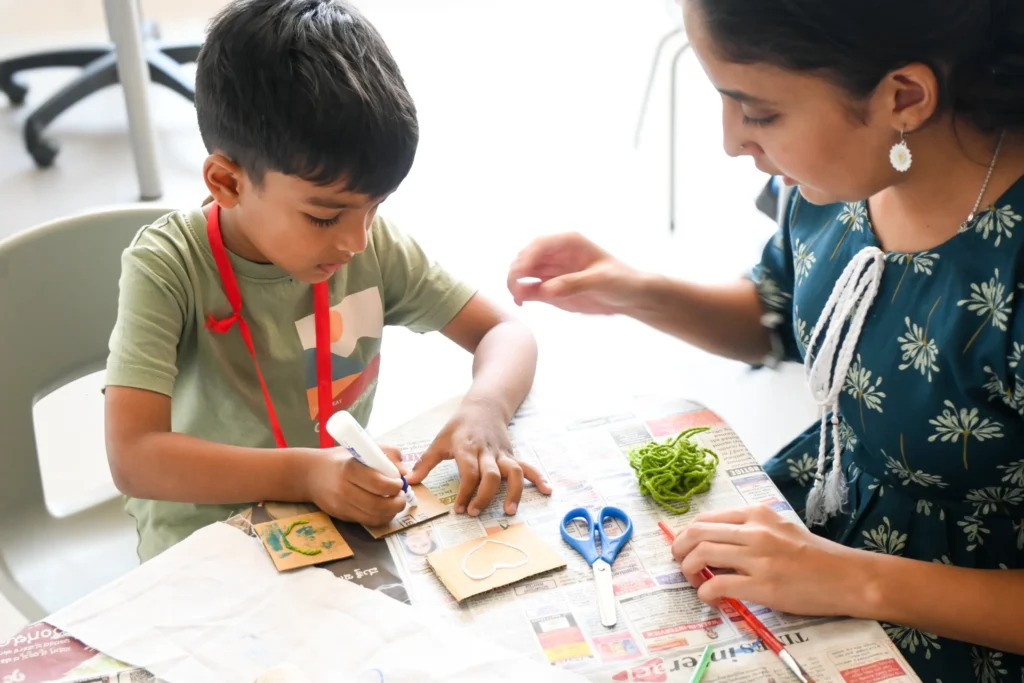
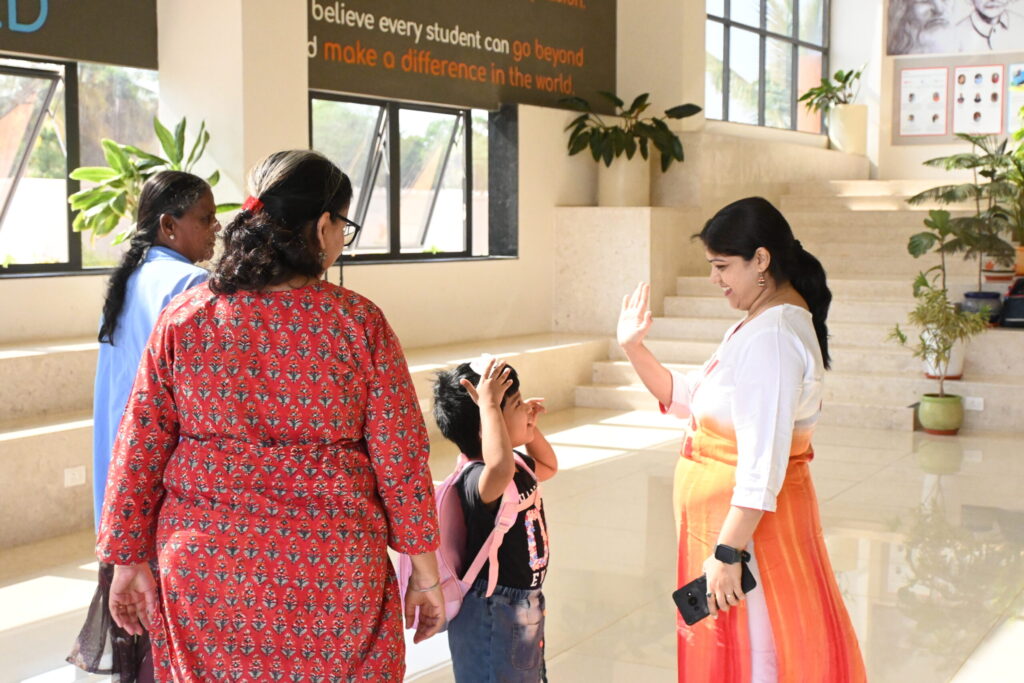
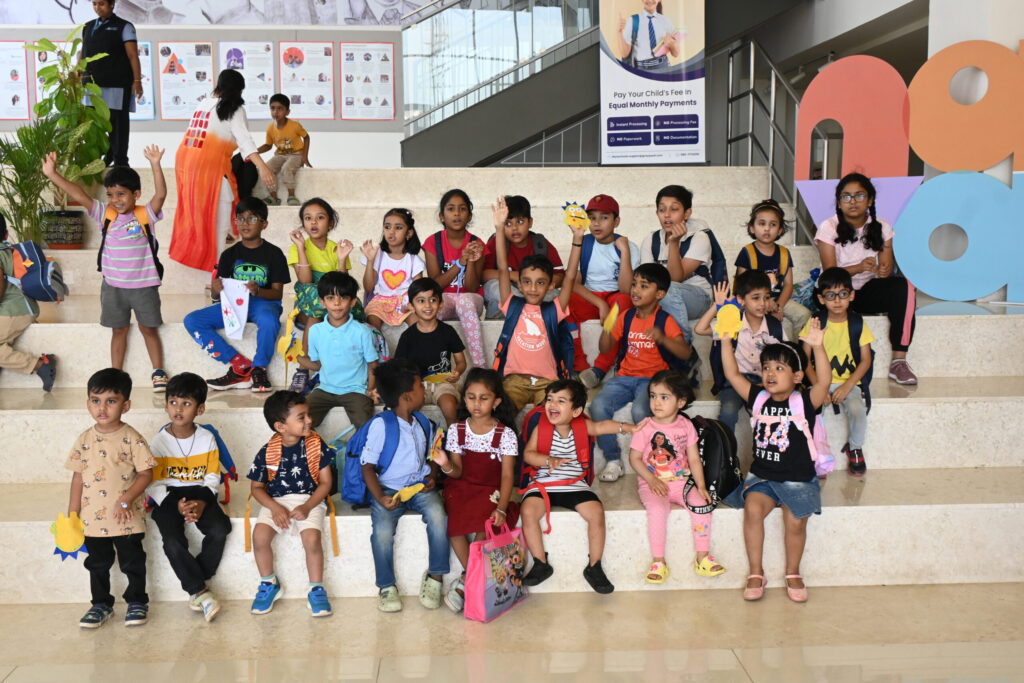
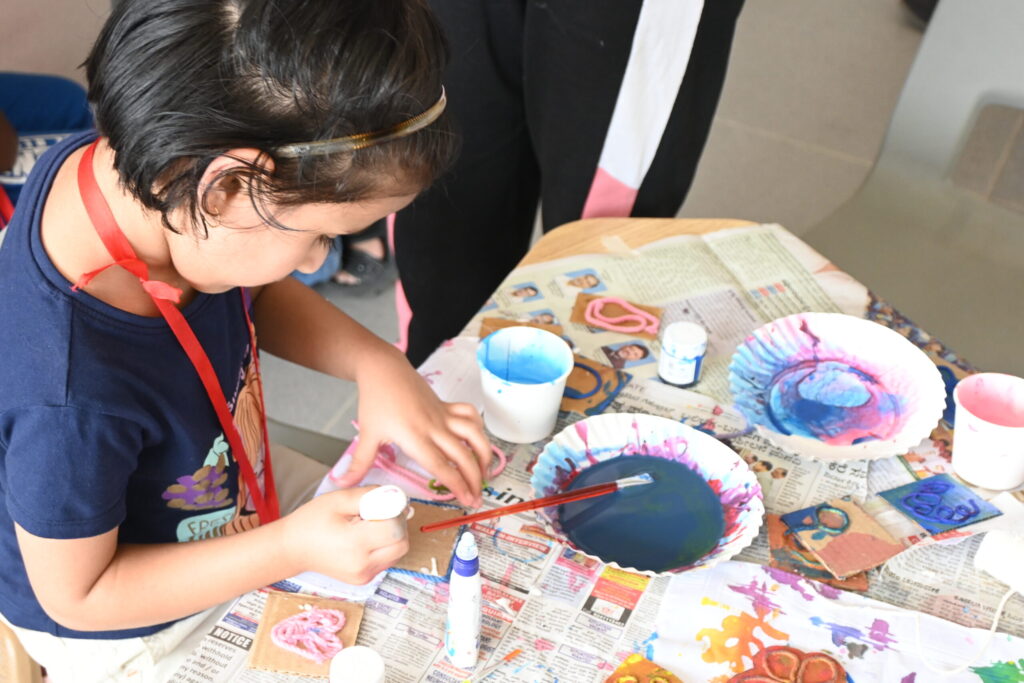
Children are naturally curious. They ask why the sky changes colour, how bridges stay strong, why stories make us feel, and what happens when an idea is tested in a different way. Yet in many classrooms, this curiosity can get narrowed into memorising, repeating, and preparing for the next assessment. Purpose-based learning offers a different path: it connects knowledge with meaning, helping learners understand not just what they are studying, but why it matters. For families exploring future-ready education in Bangalore, this approach is especially relevant. At Ekya Nava, located in Panathur on Varthur Road, Bangalore, the focus on creative learning and purpose-based education reflects a broader shift in how children are prepared for a changing world. Academic knowledge remains important, but it becomes more powerful when students learn to apply it, question it, connect it, and create with it. Purpose-based learning encourages creativity and innovation because it gives students a reason to think deeply. When learning is meaningful, children are more likely to take ownership, explore possibilities, and develop original ideas. They begin to see themselves not only as students completing tasks, but as thinkers, makers, problem-solvers, and contributors. What is purpose-based learning? Purpose-based learning is an educational approach that connects classroom experiences to real-world relevance, personal meaning, and broader impact. Instead of learning isolated facts or concepts, students engage with questions, challenges, themes, and projects that help them understand the purpose behind what they are learning. For example, a lesson on water conservation may include science concepts, data analysis, design thinking, civic awareness, communication, and creative problem-solving. Students may investigate water usage, interview community members, design awareness campaigns, or build prototypes for reducing waste. The learning is academic, but it is also connected to life. This makes purpose-based learning different from passive instruction. It asks students to participate actively, reflect intentionally, and make connections across subjects. It also supports meaningful learning because children can see how knowledge applies beyond the classroom. A purpose-based learning school does not simply add projects at the end of a unit. It designs learning experiences around inquiry, relevance, collaboration, and reflection. The goal is to help students develop both strong foundations and the confidence to use those foundations creatively. The link between purpose and creativity Creativity is often misunderstood as something limited to art, music, drama, or design. In reality, creativity is the ability to generate ideas, make connections, approach problems from new angles, and express understanding in original ways. It is as important in science and mathematics as it is in storytelling or visual arts. Purpose gives creativity direction. When children know why they are solving a problem, their ideas become more thoughtful. They are not creating only to finish an assignment; they are creating to communicate, improve, question, build, or help. In a creative learning curriculum, students may be encouraged to: Ask original questions instead of waiting for ready-made answers Explore multiple solutions to the same problem Combine knowledge from different subjects Build, test, revise, and improve their ideas Present their thinking through writing, models, prototypes, performances, or digital media Reflect on what worked, what failed, and what they would change next time This process helps children understand that creativity is not about getting everything right on the first attempt. It is about experimenting with intention. When students feel connected to a purpose, they are more willing to take creative risks because the work feels worth doing. How purpose-based learning encourages innovation Innovation begins when learners identify a need, imagine a better possibility, and take steps to bring that possibility to life. Purpose-based learning creates the conditions for this because it encourages students to observe the world carefully and respond with ideas. A child studying environmental systems may notice waste in the school community and design a campaign to reduce it. A student exploring local history may create an interactive map or podcast to make stories more accessible. A group working on mathematics may use budgeting concepts to design a model for a community event. These are not just academic exercises; they are opportunities to innovate through learning. Innovation also grows when students learn that problems rarely fit neatly into one subject. Real challenges require interdisciplinary thinking. A strong purpose-based approach blends literacy, numeracy, science, social understanding, technology, design, and communication. This mirrors the way innovation happens outside school, where people must draw from different fields to create meaningful solutions. At Ekya Nava, the emphasis on creative learning and purpose-based education supports this mindset. Students are encouraged to see learning as active and connected, not limited to textbooks alone. This helps them build the habits needed for an unpredictable future: curiosity, adaptability, empathy, collaboration, and independent thinking. Why intentional learning is essential Purpose-based learning works best when it is paired with intentional learning. Intentional learning means students are aware of what they are learning, why they are learning it, and how they can use it. It also means educators design experiences with clear goals, thoughtful questions, and opportunities for reflection. In a traditional model, students may complete activities without fully understanding their value. In an intentional learning environment, every experience has a reason. A discussion builds communication skills. A field observation develops inquiry. A prototype strengthens design thinking. A group project teaches collaboration and responsibility. Reflection helps students recognise growth. Intentional learning does not mean every moment is rigidly planned. In fact, it often creates more space for creativity because students understand the learning goals and can explore different pathways to reach them. They understand the goal while having the freedom to choose how they investigate, create, and demonstrate understanding. This balance between structure and freedom is important. Too much structure can limit creativity. Too little structure can make learning feel unclear. Purpose-based education offers a thoughtful middle ground by giving students meaningful direction while still allowing exploration. What meaningful learning looks like in practice Meaningful learning happens when students connect new ideas to their experiences, questions, and understanding of the world. It is deeper than memorisation because it stays